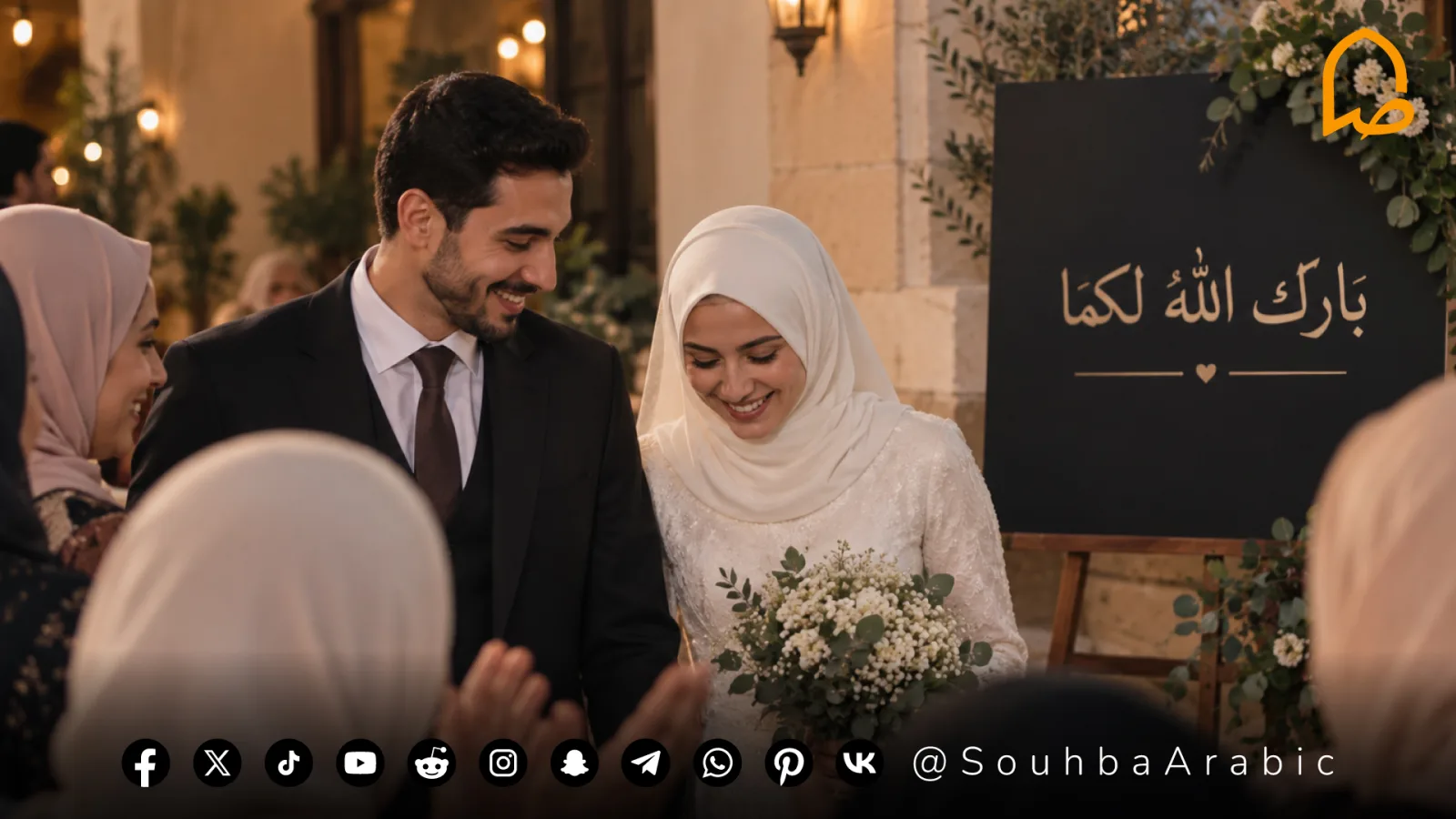
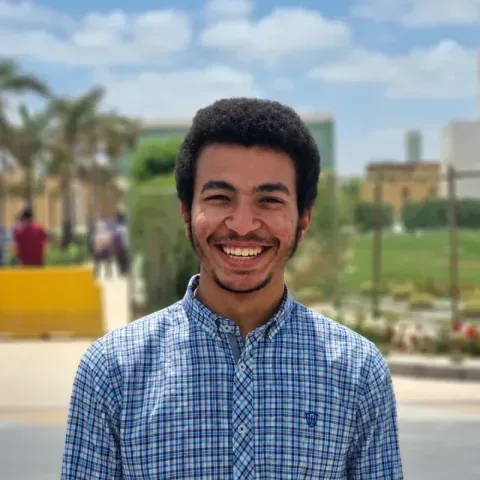
Why Do Muslims Say Insha’Allah? What It Actually Means in Real Life
You’ll hear Insha’Allah (إن شاء الله) everywhere in Arabic: when people make plans, talk about tomorrow, or hope for something. Learn its Islamic meaning, how Egyptians use it in everyday conversation, and how tone and context can change what you understand from it.
Muhammad
Sep 15, 2026 • 7 min read
If you learn Arabic, there is one phrase you will hear again and again:
إن شاء الله
In sha’a Allah
Insha’Allah
It is usually translated as “God willing” or “if Allah wills.”
You might hear it when someone talks about tomorrow, makes a plan, answers an invitation, or talks about something they hope will happen.
But there is more to understanding Insha’Allah than memorizing its translation.
In everyday Arabic, especially Egyptian Arabic, the phrase can carry slightly different shades of meaning depending on the situation, tone, and what comes before or after it.
So if you are learning Arabic, it is worth learning not just what Insha’Allah means—but how people actually use it.
What does “Insha’Allah” mean?
إن شاء الله is made up of three words:
-
إن (in) — if
-
شاء (shā’a) — willed
-
الله (Allah) — Allah
So the literal meaning is:
“If Allah wills.”
For Muslims, this is more than a casual expression. It reflects the belief that although people make plans and intend to do things, the future ultimately remains in Allah’s hands.
The expression is connected directly to the Qur’an. In Surah Al-Kahf, Muslims are instructed not to speak with absolute certainty about doing something in the future without acknowledging Allah’s will.
That is why you will often hear:
هشوفك بكرة إن شاء الله
**Hashofak bokra, insha’Allah.*
“I’ll see you tomorrow, God willing.”
The person is making a real plan while recognizing that the future is not completely under their control.
You’ll hear it everywhere in everyday Arabic
One of the first things Arabic learners notice is how naturally Insha’Allah fits into ordinary conversation.
For example:
هسافر الأسبوع الجاي إن شاء الله.
Hasāfer el-osbūʿ el-gāy, insha’Allah.
“I’m traveling next week, God willing.”
هنشوفك يوم الجمعة إن شاء الله.
Hanshūfak yōm el-gomʿa, insha’Allah.
“We’ll see you on Friday, God willing.”
إن شاء الله الامتحان يكون سهل.
Insha’Allah el-emteḥān yekūn sahl.
“Hopefully the exam will be easy.”
ربنا يوفقك إن شاء الله.
Rabbena yewaffa'ak, insha’Allah.
“May God grant you success, God willing.”
Notice something important: these aren't special religious conversations. They can be completely ordinary conversations about work, travel, school, appointments, family, or tomorrow's plans.
That is part of what makes the expression so important for anyone learning Arabic.
Does “Insha’Allah” mean “yes”?
Not necessarily.
This is where many Arabic learners get confused.
If you ask an Egyptian friend:
هتيجي بكرة؟
**Hateegy bokra?*
“Are you coming tomorrow?”
and they answer:
إن شاء الله.
*Insha’Allah.
You shouldn't automatically translate that as either “yes” or “maybe.”
It can be a sincere expression of intention:
“Yes, I intend to come, God willing.”
But the exact meaning depends on the context.
For example:
هتيجي معانا؟
Hateegy maʿāna?
“Are you coming with us?”
آه طبعًا، إن شاء الله.
Āh, ṭabʿan, insha’Allah.
“Yes, of course, God willing.”
That sounds like a positive answer.
But if someone responds with only:
إن شاء الله...
especially with hesitation or an uncertain tone, they may be leaving the matter open:
“Hopefully.”
“We’ll see.”
“If things work out.”
The phrase itself doesn't contain a secret code for “yes” or “no.” Context does a lot of the work.
And yes, Egyptians sometimes use it to avoid a direct answer
This is the part of Egyptian Arabic that learners often find funny.
In some situations, an Egyptian may use Insha’Allah when they don't want to give you a definite yes or no.
Imagine someone asks:
هتخلص الشغل النهارده؟
**Hatkhalleṣ el-shoghl en-naharda?*
“Will you finish the work today?”
And the answer is:
إن شاء الله.
Depending on the situation and tone, that might simply mean:
“Hopefully.”
Or:
“We'll see.”
Or:
“I don't want to promise you yet.”
You may also hear a drawn-out:
إن شاء الله...
where the tone makes it clear that the speaker isn't making a firm commitment.
This kind of indirect answer does occur in Egyptian conversation, and learners quickly start recognizing it.
But there is an important distinction:
Don't assume every Egyptian who says “Insha’Allah” is avoiding the question.
Egyptians also use the phrase completely sincerely and routinely when talking about future plans. In fact, hearing Insha’Allah after a specific time or plan is not, by itself, evidence that the plan is uncertain.
How can you tell what someone means?
Don't focus on the word alone.
Listen to the whole sentence.
1. A clear plan
هكلمك بكرة إن شاء الله الساعة ٥.
**Hakalmak bokra insha’Allah el-saʿa khamsa.*
“I’ll call you tomorrow at 5, God willing.”
A specific time and clear plan usually give you much more information than Insha’Allah by itself.
2. A hopeful statement
إن شاء الله نقدر نخلص بدري.
**Insha’Allah neʾdar nekhalleṣ badri.*
“Hopefully, we can finish early.”
Here, Insha’Allah naturally expresses hope.
3. An uncertain answer
هتسافر معانا؟
**Hatesāfer maʿāna?*
“Are you traveling with us?”
إن شاء الله.
*Insha’Allah.
If there is no further commitment and the tone sounds hesitant, the person may simply be leaving the decision open.
4. A very positive answer
آه، إن شاء الله!
*Āh, insha’Allah!
The “Āh” (yes) and enthusiastic tone make the intention much clearer.
This is why learning Arabic from real conversations is so different from memorizing translations. The same phrase can feel different depending on the surrounding words and the relationship between the speakers.
A useful Egyptian expression: “Insha’Allah khair”
You may also hear:
إن شاء الله خير
Insha’Allah khair
Literally:
“God willing, [it will be] good.”
In everyday conversation, it can express hope that a situation will turn out well.
For example, if someone is waiting for important news:
مستني النتيجة بكرة.
**Mestanny el-natiga bokra.*
“I'm waiting for the result tomorrow.”
Someone might respond:
إن شاء الله خير.
**Insha’Allah khair.*
“Hopefully it will turn out well.”
It is a small phrase, but it is very useful to recognize.
“Insha’Allah” is not the same as “Masha’Allah”
These two expressions are easy for beginners to mix up.
إن شاء الله — Insha’Allah
Used when talking about something connected to the future:
هسافر الأسبوع الجاي إن شاء الله.
“I’ll travel next week, God willing.”
ما شاء الله — Masha’Allah
Commonly used when expressing admiration or praise for something that has been seen or observed.
For example, someone might say:
ما شاء الله، بيتك جميل جدًا.
**Masha’Allah, beytak gameel جدًا.*
“Masha’Allah, your house is very beautiful.”
So, as a simple learner's rule:
Future plan → إن شاء الله
Admiration/praise → ما شاء الله
The two phrases have different meanings and uses.
A small pronunciation tip
You will see the phrase written in English in several ways:
-
Insha’Allah
-
Inshallah
-
In sha Allah
-
Inshaa Allah
They all refer to:
إن شاء الله
For an English-speaking learner, a useful approximation is:
in-sha-Allah
The middle part, شاء, has the long ā sound:
shā’a
Don't worry about sounding perfect at first. Focus on recognizing the phrase when Egyptians say it quickly in conversation.
The most useful thing to remember
If you are learning Egyptian Arabic, don't make the mistake of memorizing:
Insha’Allah = maybe
That's too simple.
And don't memorize:
Insha’Allah = definitely yes
That's not reliable either.
A better rule is:
Insha’Allah expresses a future intention, hope, or possibility in the context of Allah's will. The exact conversational force comes from the situation, tone, and surrounding words.
That one distinction will save you from a lot of confusion.
If your Egyptian friend says:
أشوفك بكرة إن شاء الله.
you can understand the natural meaning as:
“See you tomorrow, God willing.”
And if someone answers a question with only:
إن شاء الله...
don't immediately decide whether they said yes or no.
Listen to what comes next—and listen to how they say it.
That is where real Arabic begins.
Arabic is more than the translation
A dictionary can tell you that إن شاء الله means “if Allah wills.”
That is important, but it is only the starting point.
When you learn Arabic through real conversations, you begin to notice when people use the phrase to make a plan, express hope, reassure someone, or leave a decision open.
That difference between knowing a phrase and knowing how people actually use it is one of the most valuable parts of learning Egyptian Arabic.
At Souhba, Arabic is taught through real conversation and personal guidance, not just vocabulary lists. If you want to understand the Arabic people actually use, you can start with a free trial lesson and learn at your own pace.
Master the Arabic Language
Learn Egyptian Arabic, MSA, or Quran & Tajweed 1-on-1 with patient native tutors.
Free 30-minute trial · no card needed